Using a Skimmer to Photograph Birds on the Beach
A field technique lesson for wildlife photographers
Using a Skimmer to Photograph Birds on the Beach
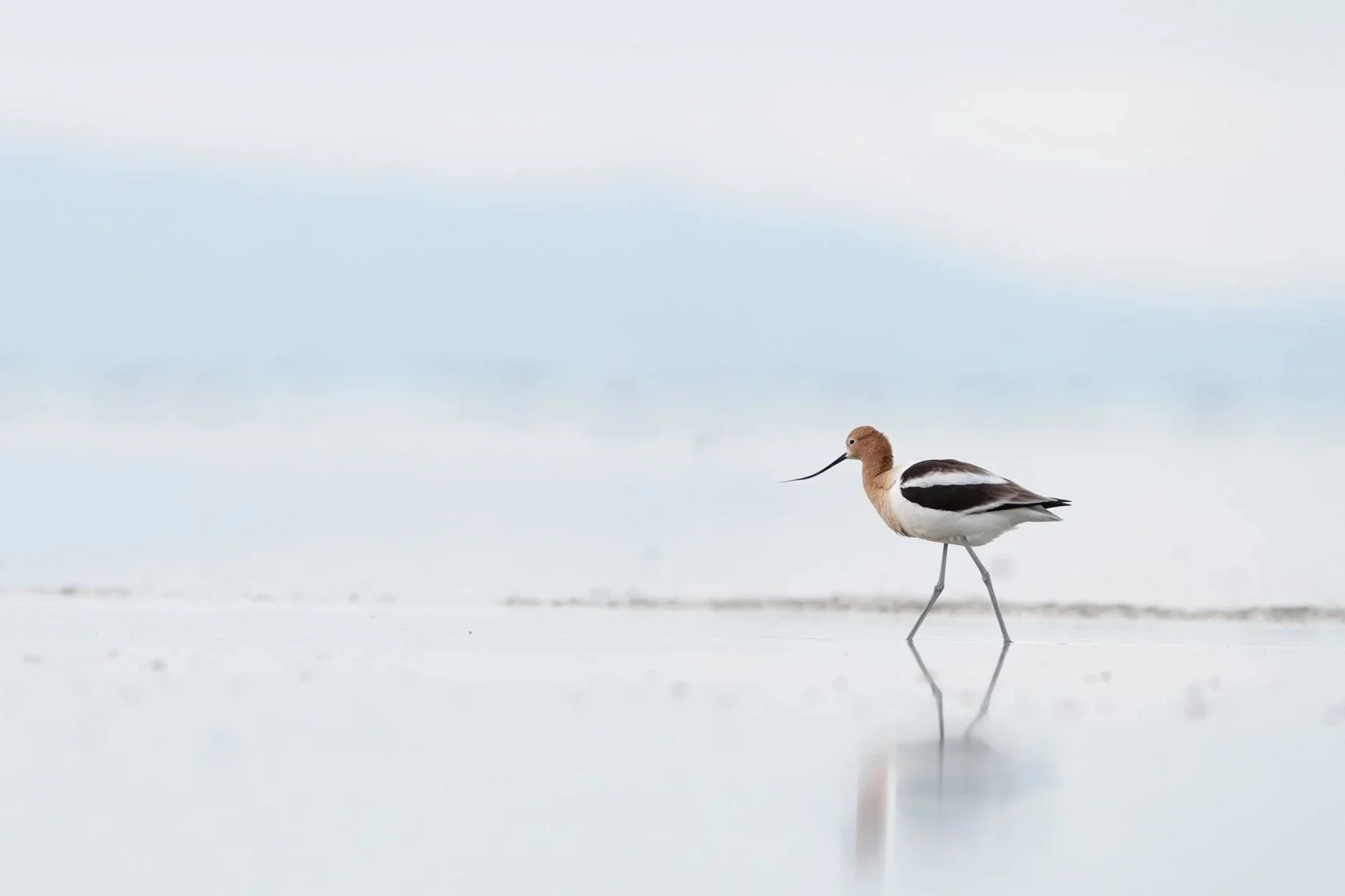
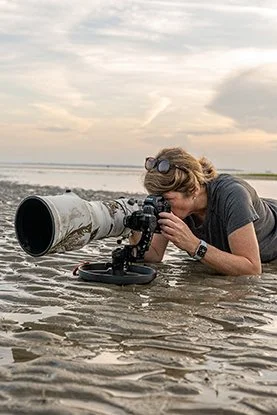
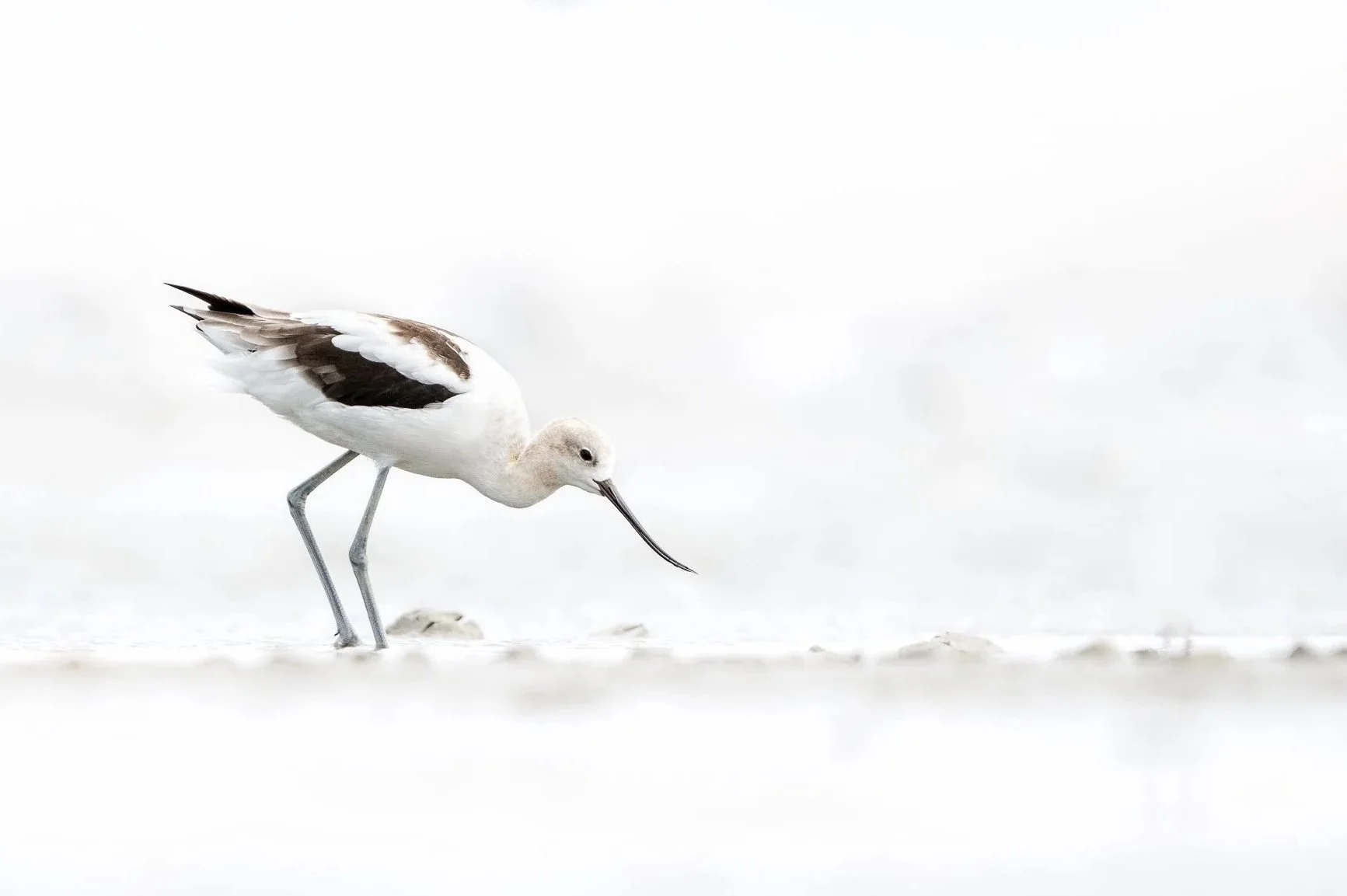
A skimmer (ground pod or Sand Surfer) allows you to position your camera just inches above the sand, creating eye-level perspectives with shorebirds. This technique transforms ordinary images into immersive, storytelling photographs.
How to Use a Skimmer in the Field
1. Get Set Up Before the Birds Arrive
Attach your lens securely to the skimmer
Pre-set your exposure (so you’re not fiddling later)
Position yourself parallel to the shoreline, not walking straight at birds
4. Watch Behavior, Not Just Composition
Feeding patterns (they often loop back!)
Tides pushing birds closer
Interaction between birds
👉 Anticipation > reaction
2. Get LOW… and Then Get Lower
Place the skimmer directly on the sand
Lie down behind it or kneel very low
Your lens should be at bird eye level or slightly below
👉 If it feels awkward… you’re probably doing it right.
5. Use the Environment
Wet sand = reflections
Incoming waves = storytelling elements
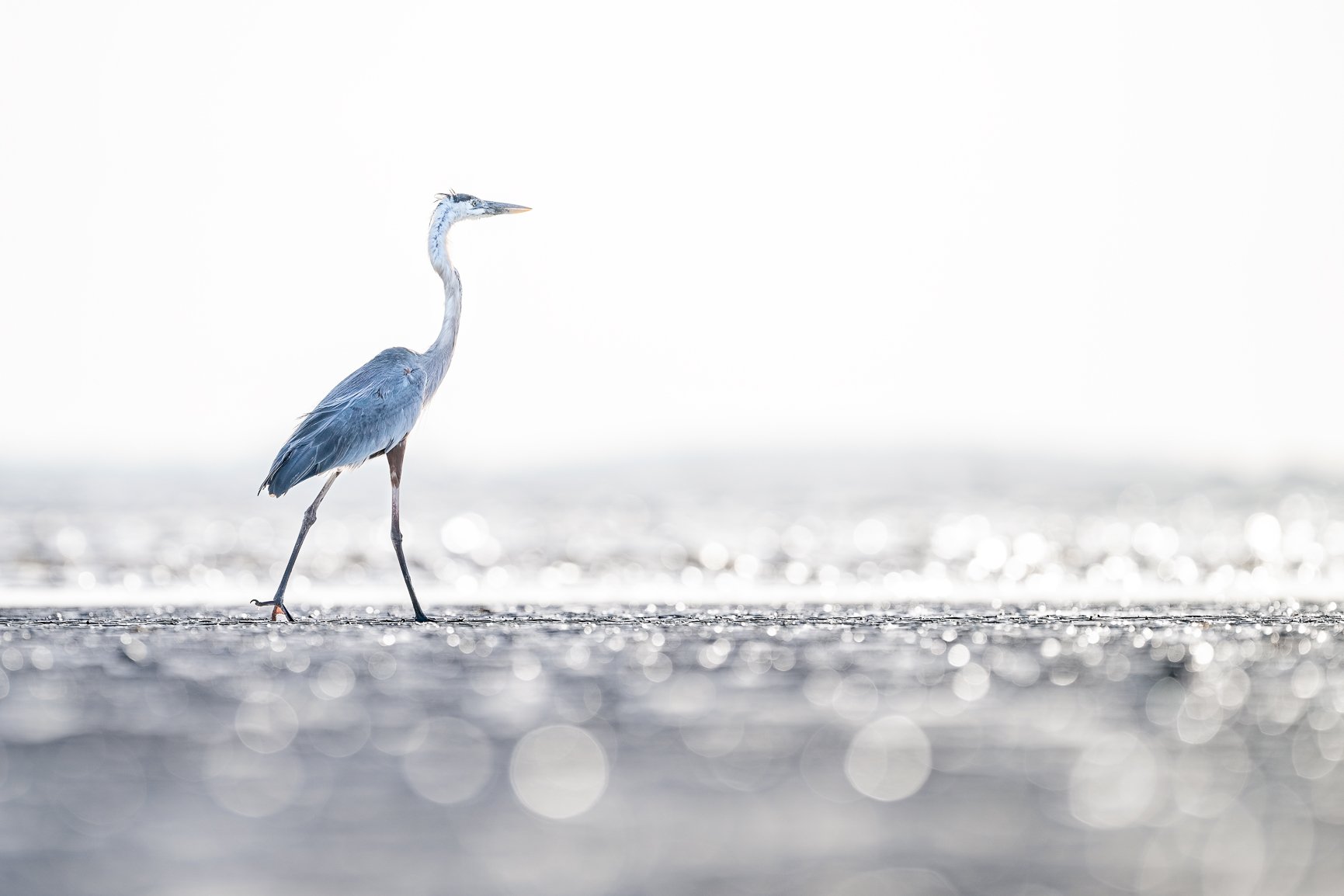
Backlight = glow + rim light
3. Move Slowly (or Not at All)
Shorebirds are incredibly sensitive to movement
Once you’re down, stay down
Let the birds come to you
💡 Pro tip:
Walk into position, set up, then become part of the landscape
Camera Settings for Success
Aperture: f/3.2–f/5 (your sweet spot for subject isolation)
Shutter: Minimum 1/125s (faster if action). As light increases, increase your shutter.
ISO: Let it float—exposure matters more
Focus: Continuous AF + eye/subject detection if available
Common Mistakes to Avoid
❌ Shooting too high
→ If you can comfortably sit upright, you’re too high
❌ Moving too often
→ Movement scares birds more than proximity
❌ Cluttered backgrounds
→ Adjust your angle slightly to clean things up
❌ Ignoring light direction
→ Low angle + bad light = still bad light
2025
New York
Using a skimmer is more than a technique—it’s a mindset. Slow down, get low, stay still, and allow the scene to unfold naturally. The most powerful images often come when you stop chasing and start observing.

Stay low, stay patient, and trust the rhythm—the shot will come.